

Published: 19.11.2026
See moreThe Role and Importance of Humidity in Manufacturing
 Kosmen Đà Nẵng
 Published:
18/11/2026, 16:00
- Updated at 19/11/2026, 14:37
In manufacturing environments, humidity directly affects product quality and a company's economic efficiency. To better understand the role and importance of humidity in manufacturing, let's explore the topic with Kosmen in the following article.
The Importance of Humidity in Manufacturing Operations
Each industry has specific humidity control requirements to protect raw materials and finished products while meeting storage standards. Understanding the importance of humidity in manufacturing operations helps businesses select appropriate control measures. The role of humidity is particularly evident in the following industries.
The Role of Humidity in the Chemical Industry
Humidity in the chemical industry is generally maintained at 40% - 60% RH. When humidity is too high or too low, certain chemicals, including powders, salts, fertilizers, pesticides, paints, and printing inks, may change their properties or form clumps. Organic solvents may also become diluted, potentially disrupting chemical reactions. Therefore, maintaining appropriate humidity is essential for protecting raw materials, ensuring product quality, and preventing hazardous incidents such as overheating and fires or explosions.
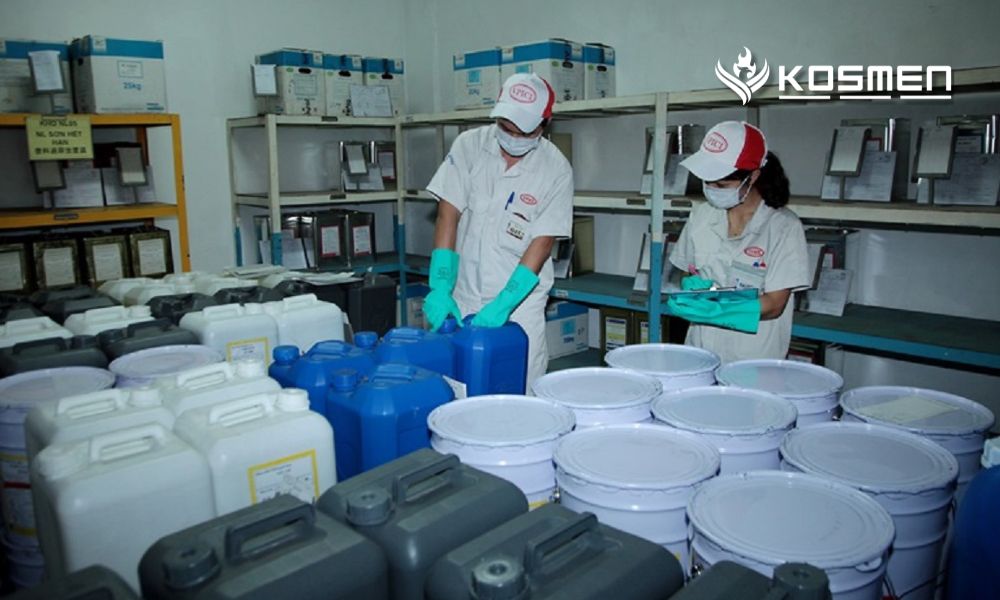
Role of humidity in the chemical industry
Humidity in Drying and Goods Storage
For drying and storing dried agricultural products, relative humidity of 40%–60% RH is generally considered suitable for maintaining appropriate storage conditions. When relative humidity remains above 70% for 1 - 2 consecutive days, grains, soft candies, semi-dried agricultural products, rice, corn, beans, coffee, and other goods can become susceptible to mold growth. This may cause grains to soften, products to become wet, discoloration, fermentation, loss of aroma, reduced crispness, and deterioration in quality. Therefore, maintaining appropriate humidity when storing dried agricultural products is essential for preserving finished-product quality, minimizing post-harvest losses, and ensuring that products reach consumers in good condition.
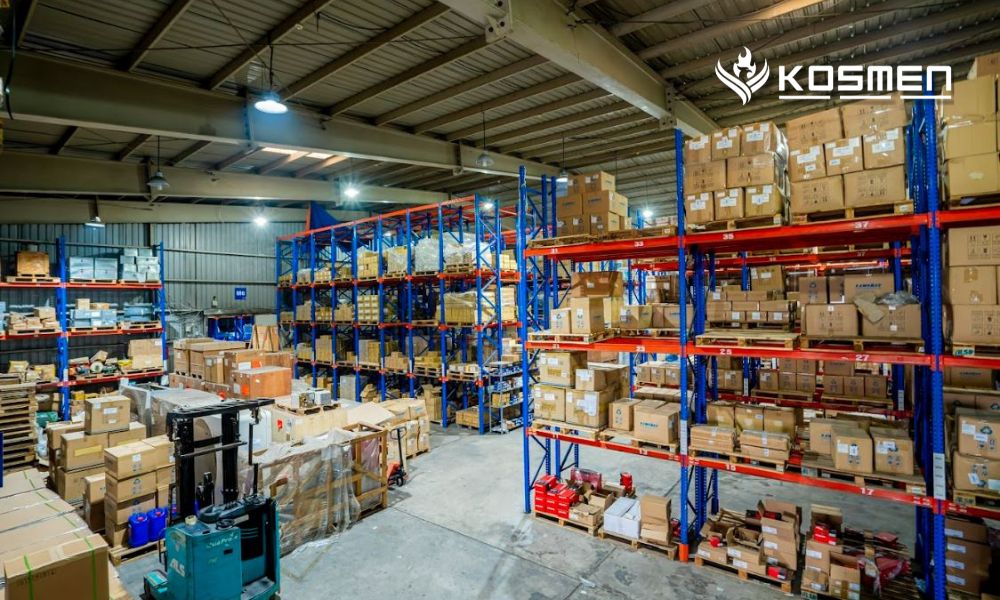
Humidity control in goods storage
Humidity Control in Mechanical Engineering and Automotive Manufacturing
In mechanical engineering and automotive manufacturing, maintaining humidity at approximately 45% - 60% RH helps protect metal components, including vehicle frames, screws, electronic components, circuit boards, sensors, and electrical connectors, from oxidation and rust. These issues can increase the risk of electrical short circuits, fires, and other hazards. In addition, controlling humidity helps prevent mold, unpleasant odors, and fogging on automotive glass, supporting clear visibility for drivers. These measures can help businesses reduce product maintenance and repair costs.

Humidity control in mechanical and automotive manufacturing
The Importance of Humidity in Pharmaceutical and Medical Equipment Storage
According to the World Health Organization (WHO), standard storage conditions for medicines and medical equipment may fall within a relative humidity range of 40% - 75% RH, depending on the product and applicable requirements. When humidity exceeds or falls below permitted levels, medicines may absorb moisture, form clumps, or become wet, while electronic components in X-ray machines, CT scanners, and other medical equipment may corrode. Therefore, humidity control in the pharmaceutical and medical equipment industries is essential for maintaining product quality and complying with applicable storage standards.
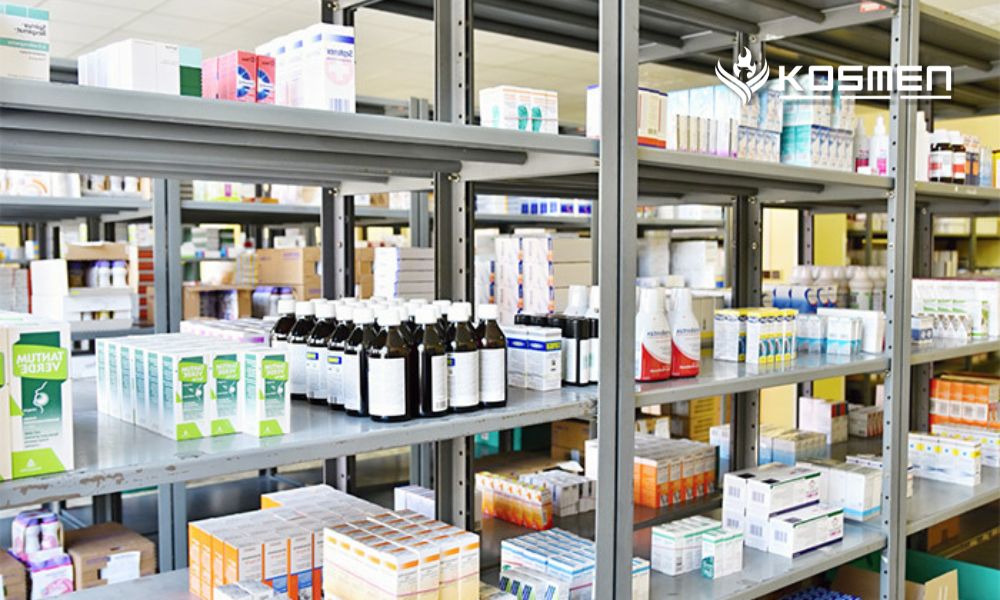
Humidity control in pharmaceutical storage
Humidity Control in Libraries and Storage Areas
In libraries and document storage areas, relative humidity of approximately 40% - 55% RH is suitable for preserving paper-based materials. When humidity remains high for extended periods, paper can deteriorate, become warped, develop blurred ink, or cause book pages to stick together. These conditions also encourage mold growth. Therefore, businesses and storage facilities need appropriate humidity control measures to preserve materials and maintain stable storage conditions.

Humidity control in libraries
Humidity in Electronics and Semiconductor Manufacturing
Relative humidity of approximately 40% - 60% RH is commonly used as a reference range in facilities that manufacture and assemble semiconductor components and electronic circuit boards. When humidity is not properly controlled, moisture can cause oxidation, component corrosion, and electrical leakage, reducing product reliability while increasing defect rates and manufacturing costs. Maintaining humidity according to the technical requirements of each production stage is therefore essential for ensuring product quality and manufacturing efficiency.
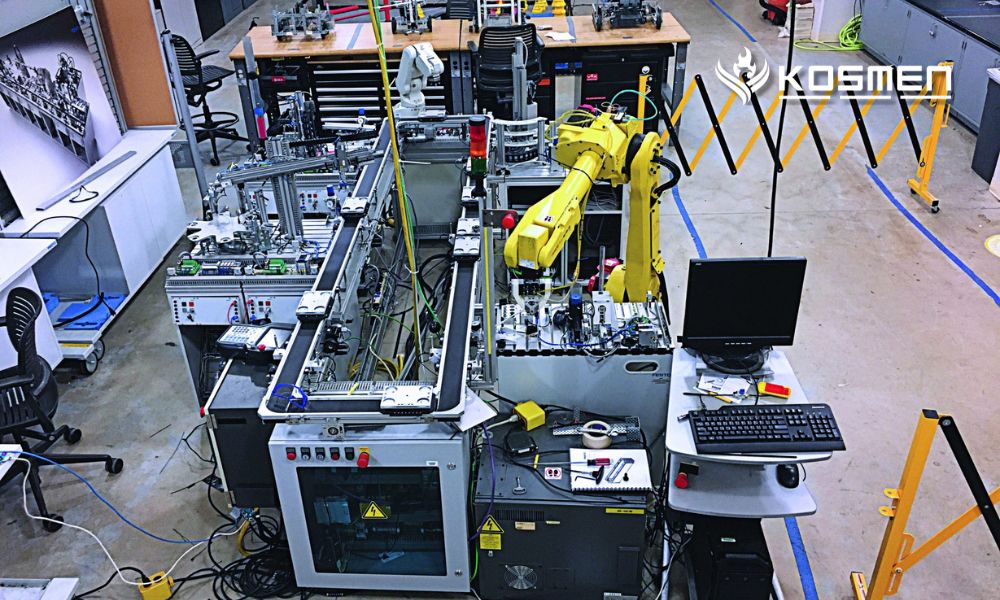
Humidity in electronics manufacturing
The Role of Humidity in Warehousing and Logistics
In warehousing and logistics, humidity control is important for maintaining the quality of goods, packaging, and storage equipment. Relative humidity of approximately 50% - 60% RH can serve as a reference range for certain storage facilities. When humidity remains high for extended periods, goods may develop mold, cardboard packaging may soften and tear, metal components may corrode, and electronic equipment may become damaged. These problems can reduce the quality of stored goods and increase storage, transportation, and defective-product handling costs. Maintaining humidity according to the requirements of each product category is therefore essential for stable storage conditions and efficient logistics operations.
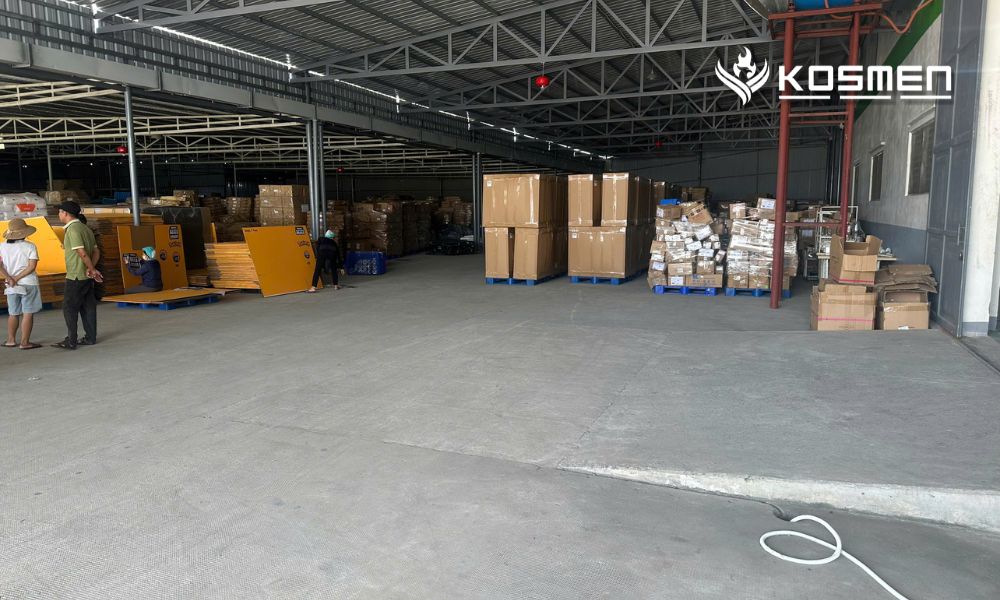
Role of humidity in warehousing and logistics
Humidity in Food and Beverage Manufacturing
In food and beverage manufacturing and storage, humidity must be controlled to maintain product quality and minimize spoilage. When humidity exceeds permitted levels, dry foods such as milk powder, seasonings, confectionery, tea, and coffee may form clumps, lose their flavor, become less crisp, or develop mold. These changes may also pose health risks if contaminated products are consumed. Maintaining relative humidity at approximately 45% - 60% RH can help minimize losses and protect product quality during storage and transportation.

Humidity in food and beverage manufacturing
Humidity Control in Construction and Infrastructure Projects
In construction and infrastructure-related activities, maintaining relative humidity at approximately 40% - 60% RH can help limit material deterioration and protect construction quality. Prolonged exposure to damp conditions can cause steel and other metals to corrode, wood to warp or deform, and paint coatings and adhesives to peel. Therefore, controlling humidity according to technical requirements helps minimize damage, reduce maintenance costs, and preserve the durability of structures.
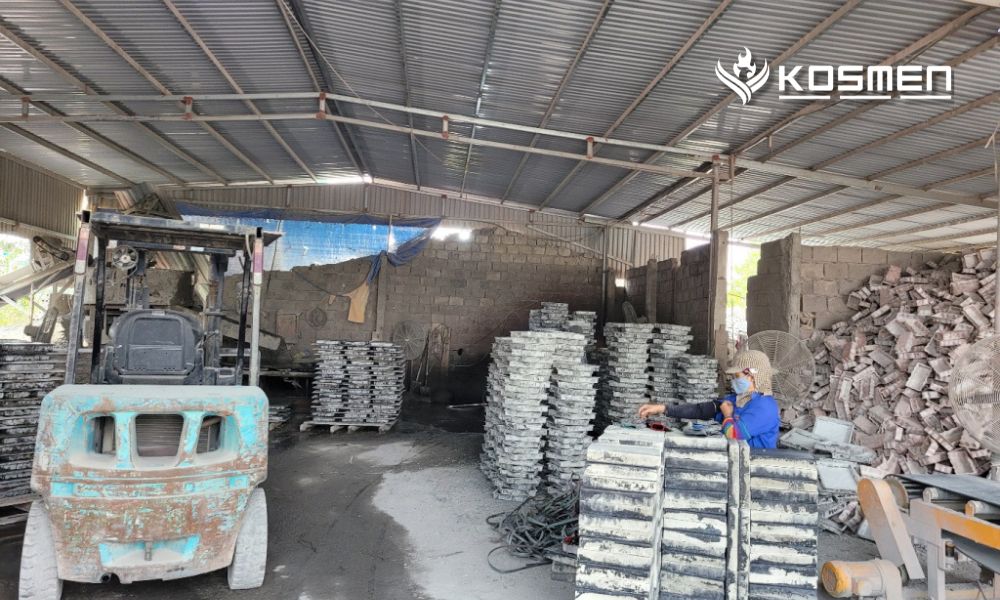
Humidity control in the construction industry
Humidity Control in Agriculture
In agriculture, humidity control is important for maintaining crop quality and preserving agricultural products after harvest. Prolonged high humidity can encourage mold growth, cause root rot, reduce yields, and accelerate product spoilage. For products such as wind-dried persimmons, dried fruit, coffee, and tea, unsuitable humidity conditions can lead to mold growth, flavor changes, and reduced product value. Agricultural products are commonly stored at relative humidity levels of approximately 50% - 60% RH, depending on their specific requirements. Maintaining suitable humidity helps reduce spoilage, extend storage life, and preserve agricultural product quality.
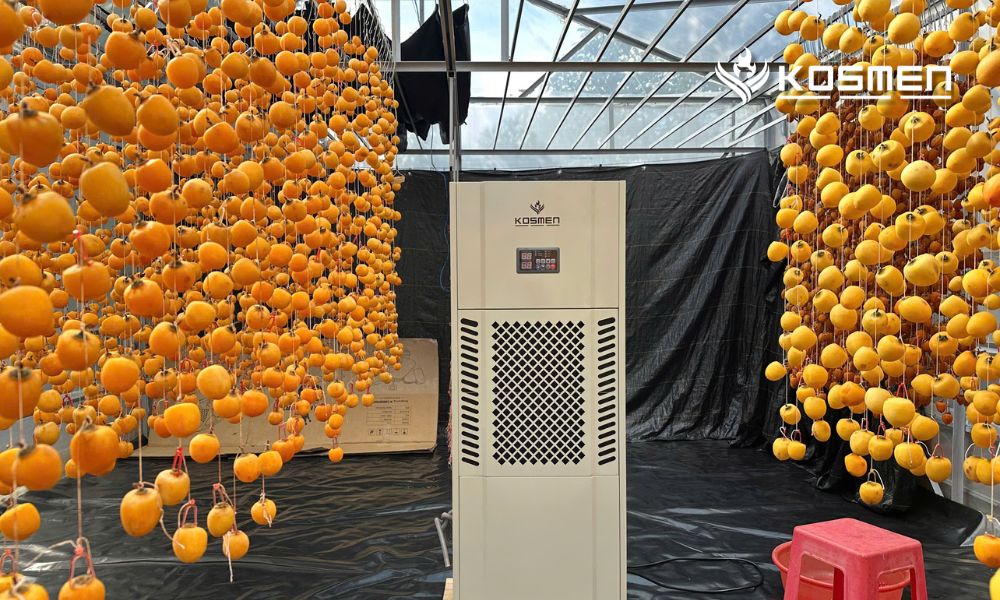
Dehumidifiers in agriculture
The Role of Humidity in Textile, Garment, and Footwear Manufacturing
In textile and garment manufacturing, relative humidity is often maintained at approximately 40% - 60% RH to help limit mold growth. Unsuitable humidity conditions can weaken textile fibers and increase static electricity. Leather products may also become dry, stiff, and cracked, compromising their durability and quality. In addition, garments, backpacks, and handbags may develop unpleasant odors, while machinery and metal accessories may corrode. Appropriate humidity control helps reduce product defects, protect raw materials, and maintain product quality during manufacturing and storage.
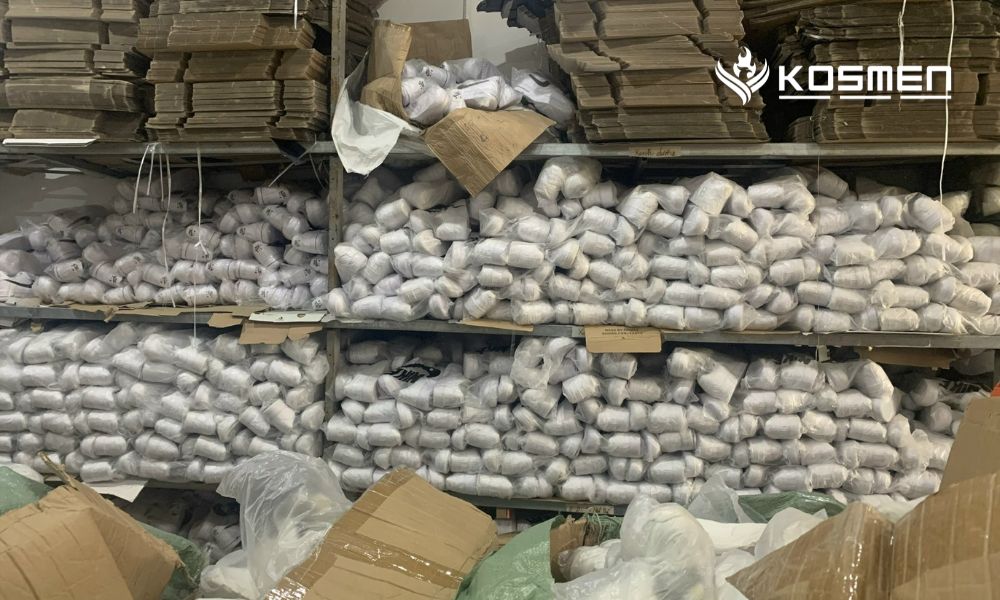
Role of humidity in textile and footwear manufacturing
Humidity Control in Packaging and Printing
Relative humidity of approximately 45% - 60% RH can help preserve packaging materials and support the effective operation of printing equipment. Excessive humidity may cause packaging to wrinkle or develop mold. Printing ink may dry more slowly, smear, appear faded or blurred, lose definition, or adhere poorly. Labels and decals may also peel off more easily. In addition, moisture can accelerate corrosion of metal components in machinery and equipment. Maintaining appropriate humidity helps minimize product defects, stabilize production processes, and reduce manufacturing costs.
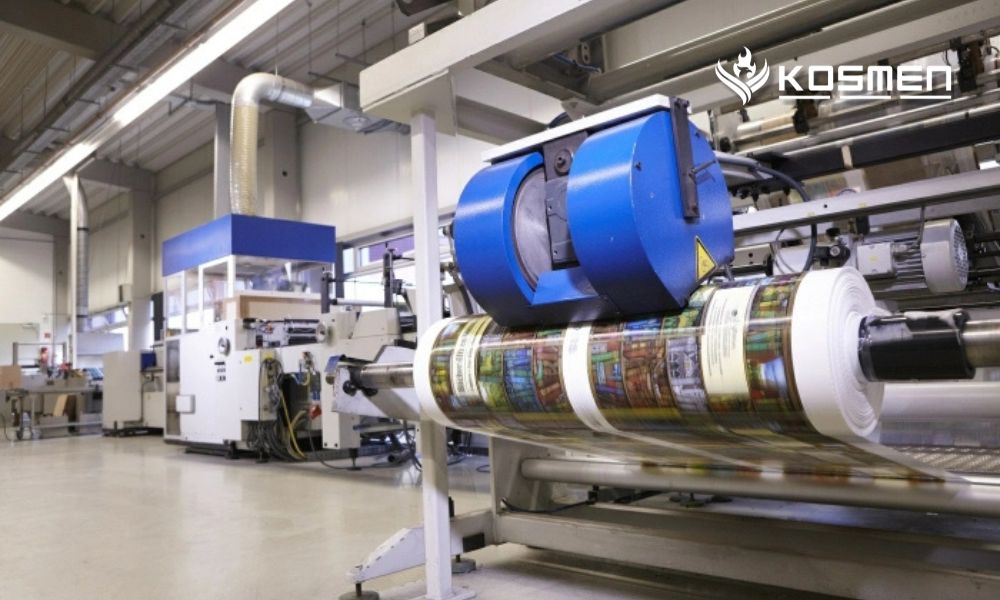
Humidity control in printing
The Importance of Humidity in Wine Production and Storage
Air humidity directly affects storage conditions and wine quality over time. High humidity can encourage mold growth and unpleasant odors, damage bottle labels, and create conditions that allow pests to damage corks. To minimize these effects, relative humidity in wine cellars is generally maintained at approximately 50% - 70% RH, helping protect packaging and stabilize storage conditions.
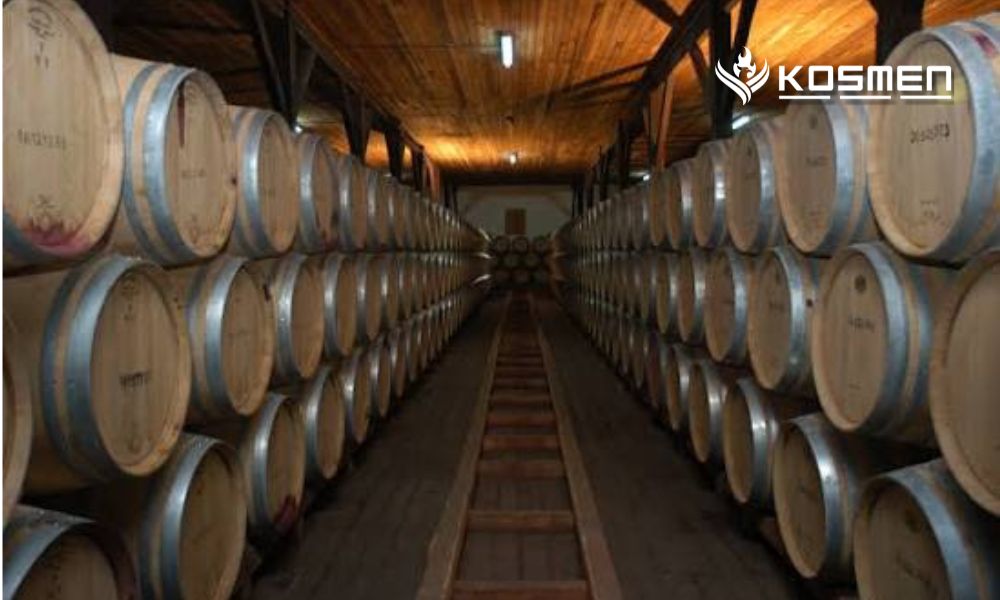
Importance of humidity in wine production
The following is a summary of the required humidity levels for different industries and sectors:
| Sector | Standard Humidity (%RH) |
| Chemical Industry | 40% - 60% |
| Drying and Storage of Goods and Dried Agricultural Products | 40% - 60% |
| Mechanical Engineering and Automotive Manufacturing | 45% - 60% |
| Pharmaceuticals and Medical Devices | 40% - 75% |
| Libraries and Document Storage Areas | 40% - 55% |
| Electronics and Semiconductor Manufacturing | 40% - 60% |
| Warehousing and Logistics | 50% - 60% |
| Food and Beverage Manufacturing | 45% - 60% |
| Construction and Infrastructure | 40% - 60% |
| Agriculture | 50% - 60% |
| Textile, Garment and Footwear Manufacturing | 40% - 60% |
| Packaging and Printing | 45% - 60% |
| Wine Production and Storage | 50% - 70% |
Summary Table of Standard Humidity Levels by Industry
The Role of Industrial Dehumidifiers in Manufacturing
As discussed above, humidity plays an important role in manufacturing and storage across many industries, including food, pharmaceuticals, textiles, and other industrial sectors. Humidity control is essential for maintaining product quality, minimizing damage to machinery and equipment, and supporting suitable working conditions for employees. Industrial dehumidifiers installed in warehouses and factories provide an effective way for businesses to manage humidity, reduce risks, and optimize operating costs.
Industrial dehumidifiers are an effective solution for controlling humidity and maintaining suitable environmental conditions in warehouses and factories according to specific requirements. These units help limit the growth of bacteria and mold, protecting raw materials, finished products, and machinery from damage caused by excessive humidity.
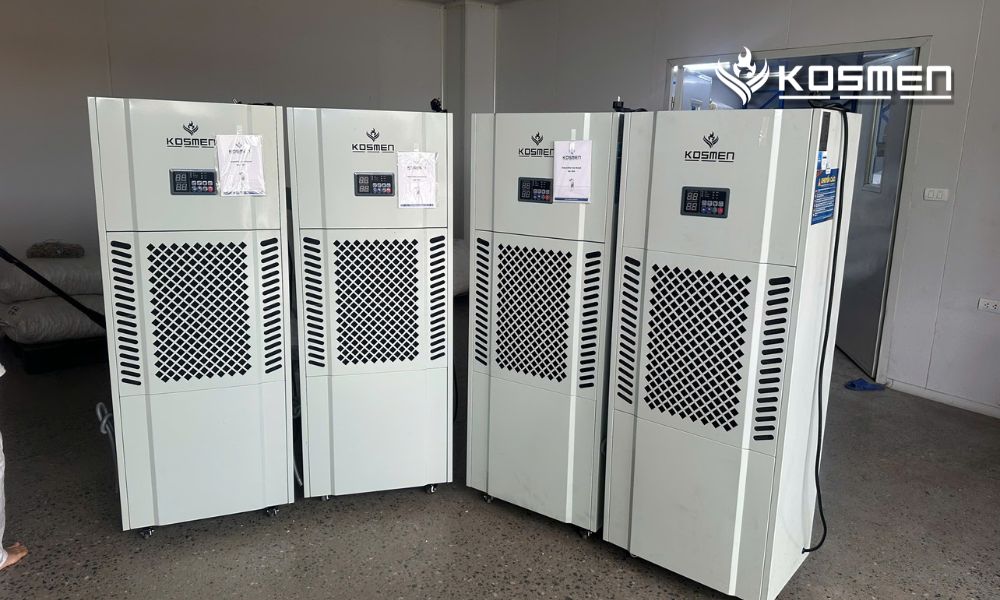
Kosmen Industrial Dehumidification Solutions
The market offers a wide range of dehumidifiers with different designs, capacities, and prices. Businesses can consider Kosmen industrial dehumidifiers, with capacities ranging from 90 to over 480 liters per day, to meet diverse humidity control requirements.
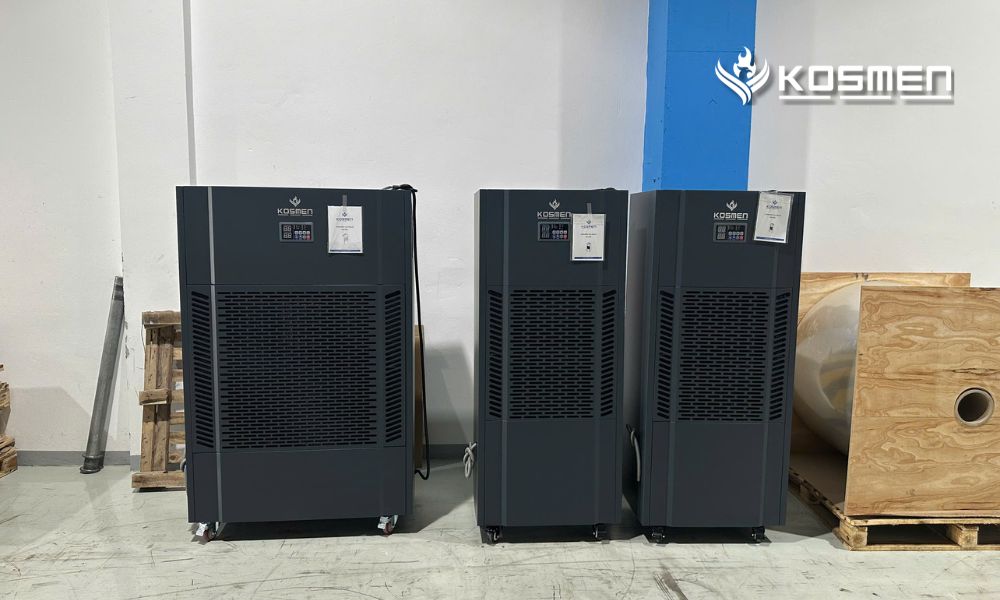
Kosmen Industrial Dehumidifiers for Wood Preservation
Kosmen industrial dehumidifiers offer several practical benefits, including:
- Stable humidity control: Maintains humidity levels according to the technical requirements of different industries.
- Drier environments: Helps limit mold growth, condensation, and damp conditions.
- Protection for goods and materials: Protects raw materials, stored goods, and finished products from damage caused by excessive humidity.
- Reduced mold growth: Helps maintain cleaner manufacturing environments.
- Continuous operation: Supports humidity control requirements over extended operating periods.
- Support for employee well-being: Helps maintain more suitable working conditions and supports workplace productivity.
In addition, depending on the model, the products may include features such as humidity setting, timer functions, and Wi-Fi control to meet different business requirements.
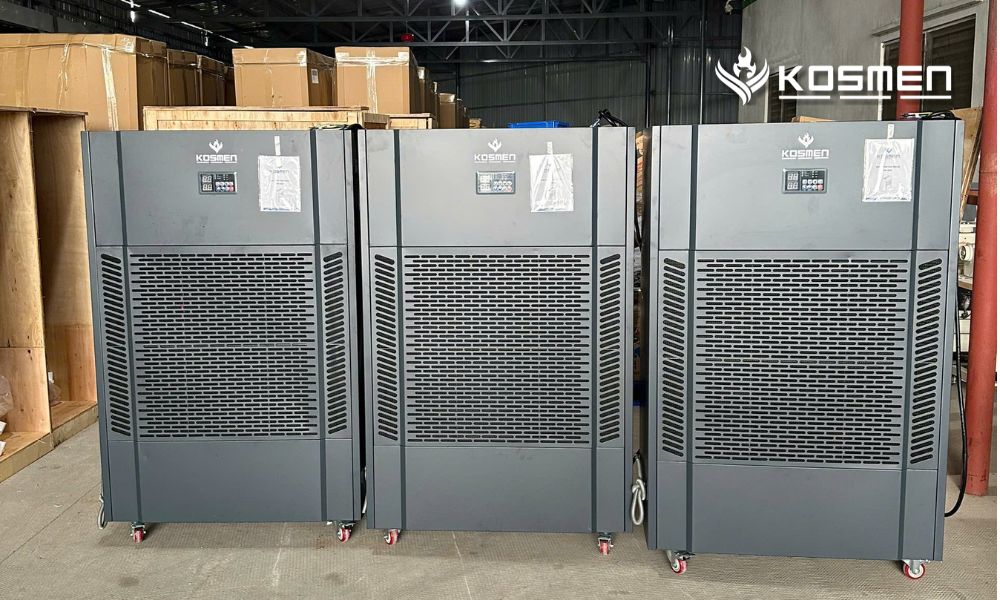
Kosmen Dehumidifiers with a Variety of Features
Beyond product quality, Kosmen also focuses on consulting services and after-sales policies to provide customers with peace of mind throughout their investment. When choosing Kosmen industrial dehumidifiers, customers can enjoy the following benefits:
- Free on-site surveys and humidity control consultations based on the facility's size, environmental conditions, and actual requirements.
- Equipment selection advice and usage guidance tailored to the production scale and intended applications.
- Nationwide delivery and on-site installation support.
- 24-month product warranty, with a 36-month warranty for the compressor.
- 1-for-1 product replacement within 30 days if a manufacturing defect is confirmed.
- Periodic maintenance and servicing once a year, for up to two visits.
- Exclusive incentive policies for projects involving large quantities of equipment.
Customers interested in Kosmen's high-quality dehumidifiers can explore product information and place orders through the official website, e-commerce platforms, or Kosmen's authorized dealer network nationwide.
KOSMEN – PIONEERING HUMIDITY CONTROL AND AIR QUALITY SOLUTIONS
- Head Office: No. 77 Dinh Thi Thi Street, Van Phuc City Residential Area, Hiep Binh Ward, Ho Chi Minh City, Vietnam
- Representative Office: No. 27B, Street 12, Hiep Binh Ward, Ho Chi Minh City, Vietnam
- Hanoi Office: No. NV 4.7, Cau Buou New Urban Area, Thanh Liet Ward, Hanoi, Vietnam
- Da Nang Office: No. 41 Vo An Ninh Street, Hoa Xuan Ward, Da Nang City, Vietnam
- Da Lat Office: No. 38/7, Ba Thang Hai Alley, Xuan Huong - Da Lat Ward, Lam Dong Province, Vietnam
- Hotline: 0766 899 799 (Northern Vietnam) - 0935 696 695 (Central Vietnam) - 0965 210 874 (Southern Vietnam) - 0975 359 877 (Central Highlands)
- Website: https://kosmen.com.vn/en
Share the article


Related news




What Is Considered High Humidity? Is High Humidity Good? Its Harmful Effects?
Published: 05.03.2025
See more