


Published: 19.11.2026
See moreMold on Ceilings: Effective Treatment and Cleaning Methods
 Kosmen Đà Nẵng
 Published:
17/11/2026, 15:00
- Updated at 19/11/2026, 14:39
Mold on ceilings not only affects the appearance of a home but can also pose health risks. What causes ceiling mold, and how can it be treated effectively? Let’s explore the causes and solutions with Kosmen in the following article.
Why Is It Important to Treat Mold on Ceilings?
Ceiling mold appears as black or green patches or yellow stains that may spread over time. In some cases, salt deposits can also form on the surface, causing the paint to blister, peel, deteriorate, or develop white crystalline deposits. These signs are often associated with prolonged exposure to high humidity, rainwater seeping through the roof, leaking pipes, or deteriorating waterproofing layers. If not identified and treated promptly, ceiling mold can diminish the appearance of the ceiling and lead to additional repair costs.
In addition to affecting the structural condition and aesthetics of a home, moldy ceilings can make indoor spaces feel damp and stuffy, often accompanied by unpleasant odors. Exposure to mold may contribute to respiratory problems such as asthma, sinusitis, and bronchitis. Direct contact with mold can also increase the risk of eye irritation and skin rashes.
Causes of Mold on Ceilings
High Indoor Humidity
Prolonged periods of high indoor humidity are one of the main reasons ceilings are susceptible to mold growth. When the air contains excessive moisture, water vapor may accumulate on ceiling surfaces, particularly in areas where the surface temperature is lower than the surrounding air temperature. Condensation can keep the ceiling damp for extended periods, creating favorable conditions for mold to develop. In addition, poor ventilation in enclosed or poorly ventilated areas, such as corners and spaces behind wardrobes, can prevent moisture from escaping. This slows the drying process and increases the risk of recurring mold growth.
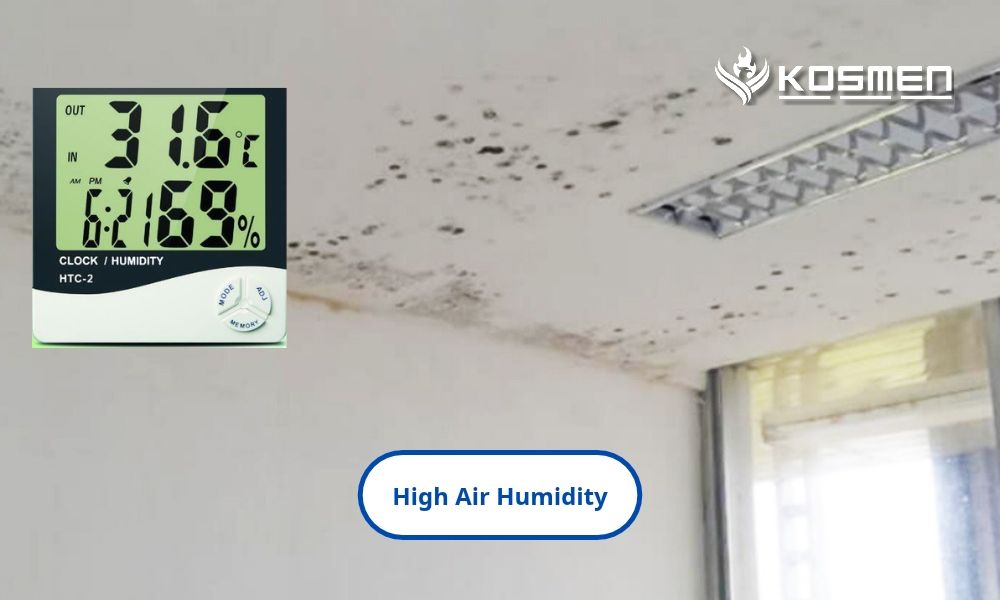
High indoor humidity is one of the main causes of ceiling mold growth
Frequent Exposure to Water
When a ceiling is located near water supply or drainage pipes, leaks that develop over time can allow water to seep into the ceiling structure, creating conditions for mold to grow.
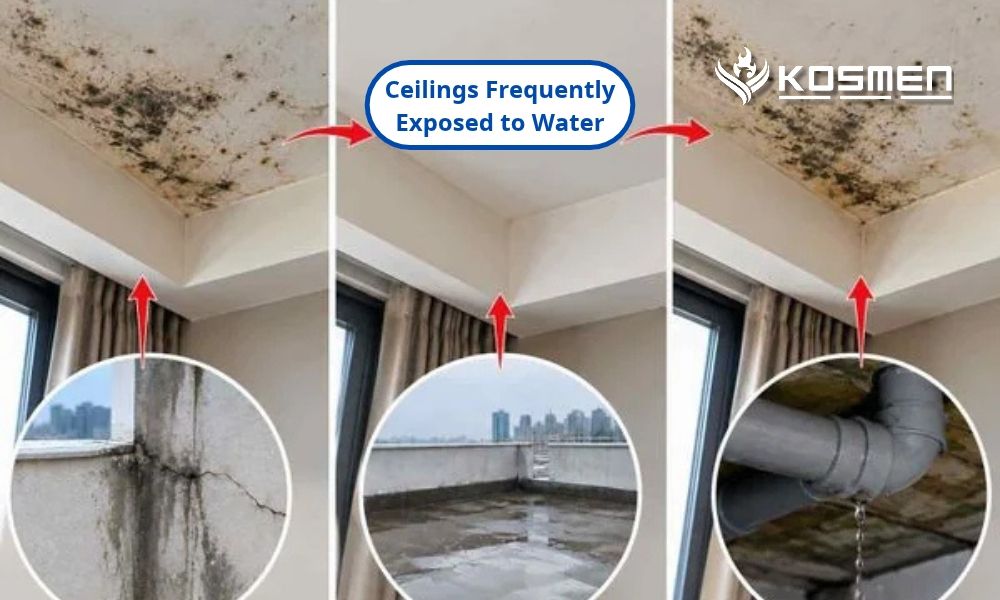
Ceilings frequently exposed to water
Low-Quality Building Materials
Using substandard building materials can increase the risk of water infiltration and moisture accumulation, eventually leading to ceiling mold. In particular, some homeowners choose inexpensive gypsum board ceilings without considering their moisture resistance. When exposed to moisture for extended periods, these ceilings may develop mold spots and deteriorate more quickly.
Improper Construction and Installation
Another cause of ceiling mold is inadequate workmanship or construction that does not meet technical standards. Inexperienced contractors, combined with errors during construction or waterproofing, can allow moisture to accumulate and encourage mold growth, particularly on gypsum board ceilings.
Effects of Weather and Environmental Conditions on Building Structures
Vietnam has a tropical monsoon climate characterized by high humidity and heavy rainfall. During the rainy season, prolonged or heavy rainfall can increase the risk of water infiltration through roofs and balconies. If drainage systems or waterproofing layers are inadequate, water may penetrate building structures, resulting in stains and peeling paint.
In coastal areas, salt deposits may also develop due to the use of saline sand, building materials containing soluble salts, or mixing water with a high salt content. As moisture moves through building materials and evaporates at the surface, dissolved salts crystallize into white deposits. This affects the appearance of the building and can gradually deteriorate its finishing materials.
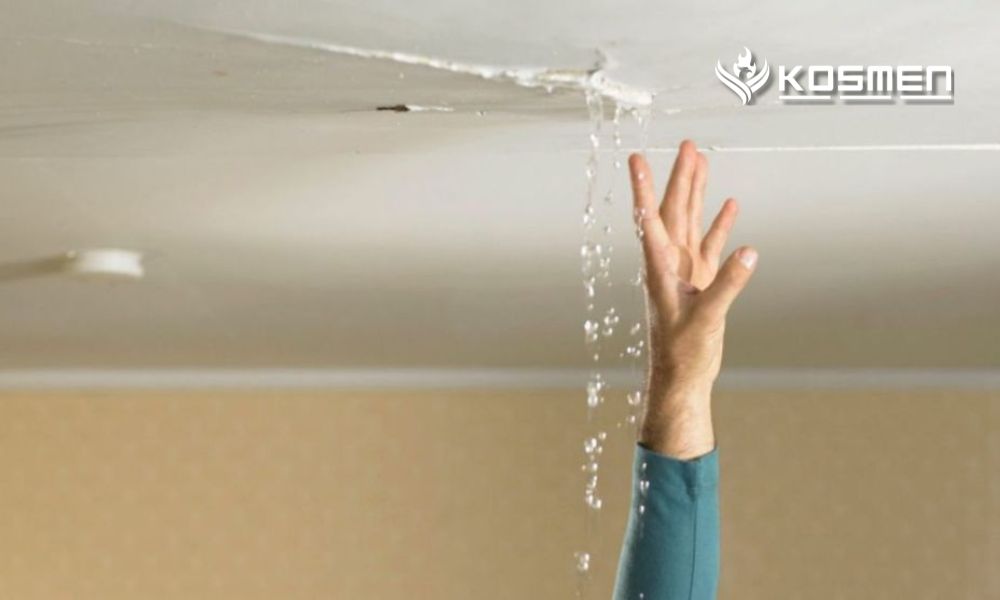
Rainy season causes roof leaks
Effective Ways to Treat Mold on Ceilings
When a ceiling develops mold, it is important to identify the underlying cause and select an appropriate treatment method to prevent the problem from spreading and avoid unnecessary repair costs. Below are several methods for cleaning moldy ceilings and treating mold on gypsum board ceilings.
Cleaning Moldy Ceilings with Mold Remover Spray
Using a mold remover spray is a common method for cleaning surface mold. These products contain cleaning agents that help remove stains and mold from ceiling surfaces.
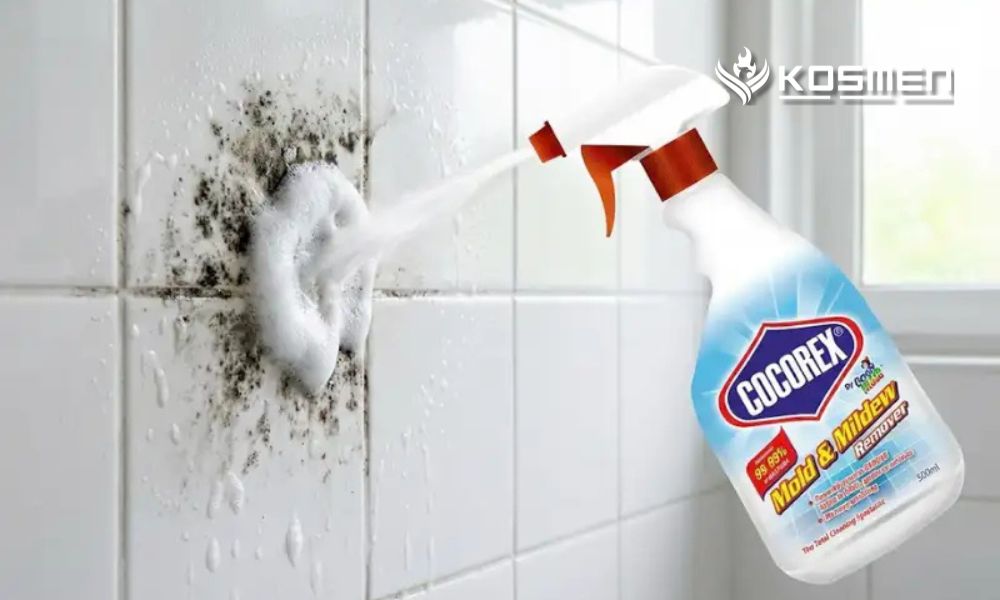
Clean ceilings with mold remover spray
Steps for cleaning a moldy ceiling with mold remover spray:
- Step 1: Wear protective gloves and a suitable mask to minimize direct exposure to cleaning chemicals.
- Step 2: Open the bottle and adjust the spray nozzle according to the product instructions. Spray the solution evenly onto areas with yellow stains, black mold, or white mold.
- Step 3: Wait approximately 10–15 minutes. If mold stains remain, gently scrub the affected areas with a soft brush, provided the product instructions allow it.
- Step 4: Remove the solution according to the product instructions and allow the ceiling to dry completely.
Treating Moldy Gypsum Board Ceilings with Javel Bleach
Javel bleach, commonly known as sodium hypochlorite bleach, is used to remove stains and disinfect certain surfaces. It is also widely used to treat mold stains on clothing.
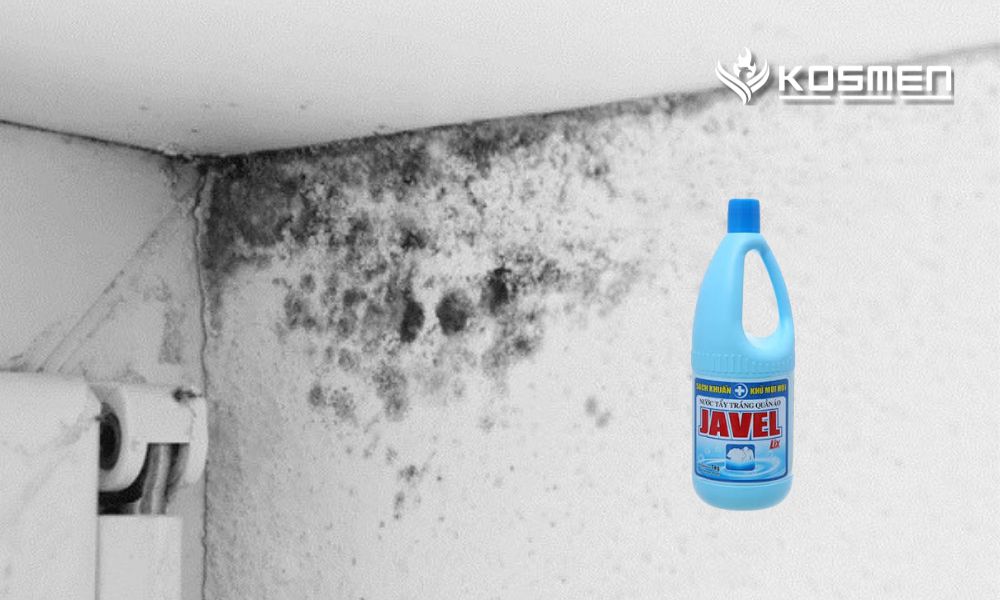
Treat plasterboard ceilings with bleach
Steps for treating mold on ceilings:
- Step 1: Wear protective gloves and a suitable mask. Dilute the bleach according to the instructions on the product label.
- Step 2: Dip a paint roller into the diluted solution and apply it evenly to the affected ceiling or gypsum board surface, provided the material is compatible with the product.
- Step 3: Allow the solution to work for the period specified by the manufacturer. If necessary and safe for the surface, gently scrub any remaining mold stains with a brush.
- Step 4: Clean the treated area as directed on the product label and rinse the tools with clean water. Improve ventilation to help the ceiling dry more quickly.
Cleaning Moldy Ceilings with Soap or Hydrogen Peroxide
Soap and hydrogen peroxide can be used to clean light surface mold, particularly when the affected area is small and the mold has only recently appeared.
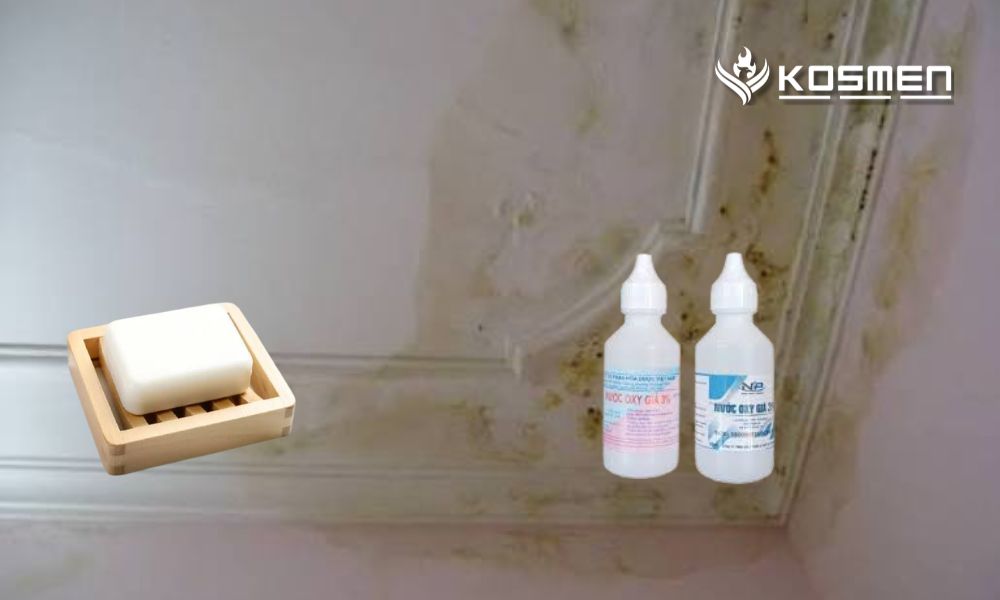
Treat ceilings with soap or hydrogen peroxide
- Using soap: Dilute the soap with water, dip a brush into the solution, and gently scrub the moldy area. Then wipe the surface with a clean, damp cloth.
- Using hydrogen peroxide: Apply an appropriate hydrogen peroxide solution to the affected area using a spray bottle, if suitable for the ceiling material. Allow it to sit for approximately 10 minutes only if consistent with the product instructions. Wipe the area clean and dry the surface with a clean cloth.
Cleaning Moldy Ceilings with Lemon
Fresh lemon contains citric acid, which may help remove light surface stains. This method is more suitable for small areas where mold has only recently appeared.
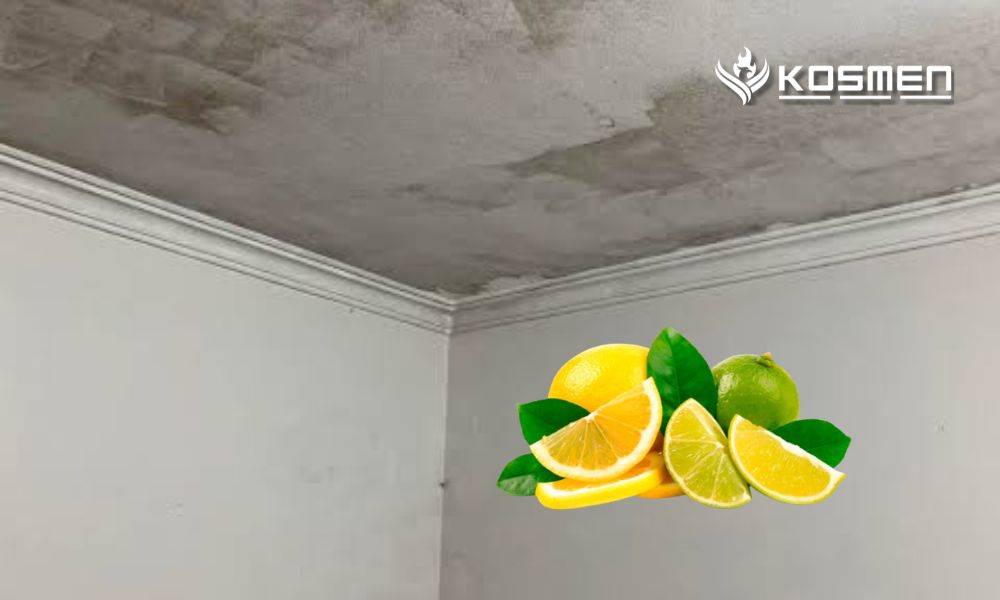
Clean moldy ceilings with lemon
Steps for treating ceiling mold with lemon:
- Step 1: Lightly dampen the affected area if the ceiling material can safely tolerate moisture.
- Step 2: Cut a lemon into small pieces and gently rub the affected area, or apply a small amount of lemon juice to the surface.
- Step 3: Gently brush the moldy areas to help remove surface stains.
- Step 4: If appropriate for the ceiling material, wipe away any residue with a clean, damp cloth and dry the surface thoroughly.
Cleaning Moldy Ceilings with Baking Soda and Vinegar
Vinegar is acidic and can help remove certain surface stains. Baking soda is commonly used as a household cleaning agent. However, mixing baking soda and vinegar causes a chemical reaction that largely neutralizes their acidity, so the mixture should not be considered a proven mold-killing treatment.
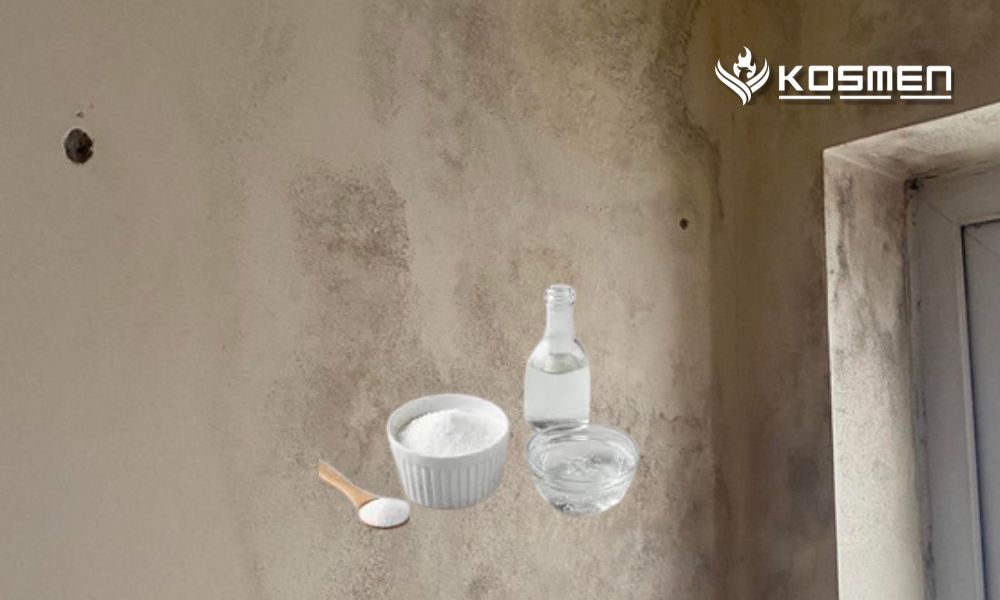
Clean moldy ceilings with baking soda and vinegar
If using these products for general surface cleaning, follow the instructions below:
- Step 1: Prepare the cleaning products separately and follow the manufacturer's instructions rather than relying on a fixed 1:1 mixture.
- Step 2: Test the chosen product on a small, inconspicuous area to check whether it damages or discolors the ceiling material.
- Step 3: Gently clean the affected surface using a suitable cloth or brush. Avoid excessive moisture, especially on gypsum board ceilings.
- Step 4: Remove any residue as directed and allow the surface to dry completely.
Treating Ceiling Mold with Specialized Cleaning Products
For ceilings with persistent black or white mold, specialized mold-removal products may be considered. Before use, check whether the product is suitable for the ceiling material and follow all safety instructions. Avoid direct contact with the chemicals and keep them away from food.
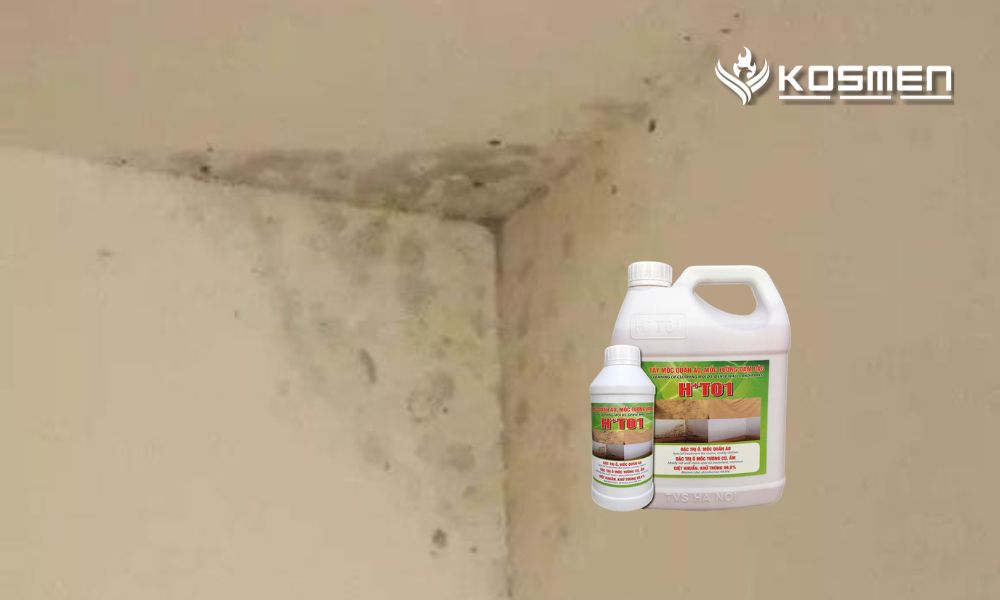
Remove ceiling mold with specialized chemicals
Steps for treating ceiling mold with specialized products:
- Step 1: Wear the protective equipment specified on the product label, including suitable gloves and respiratory protection when required.
- Step 2: Dilute the mold-removal product according to the manufacturer's instructions. Do not assume that all products require dilution.
- Step 3: Apply the product to the affected area as directed and allow it to work for the specified period.
- Step 4: Remove the residue according to the product instructions and dry the surface thoroughly. Avoid excessive scrubbing or rinsing that could damage the ceiling.
Treating Moldy Gypsum Board Ceilings by Repainting
Repainting is one way to restore the appearance of a moldy gypsum board ceiling. Although it involves additional costs, the results can last longer if the underlying moisture problem is resolved first.
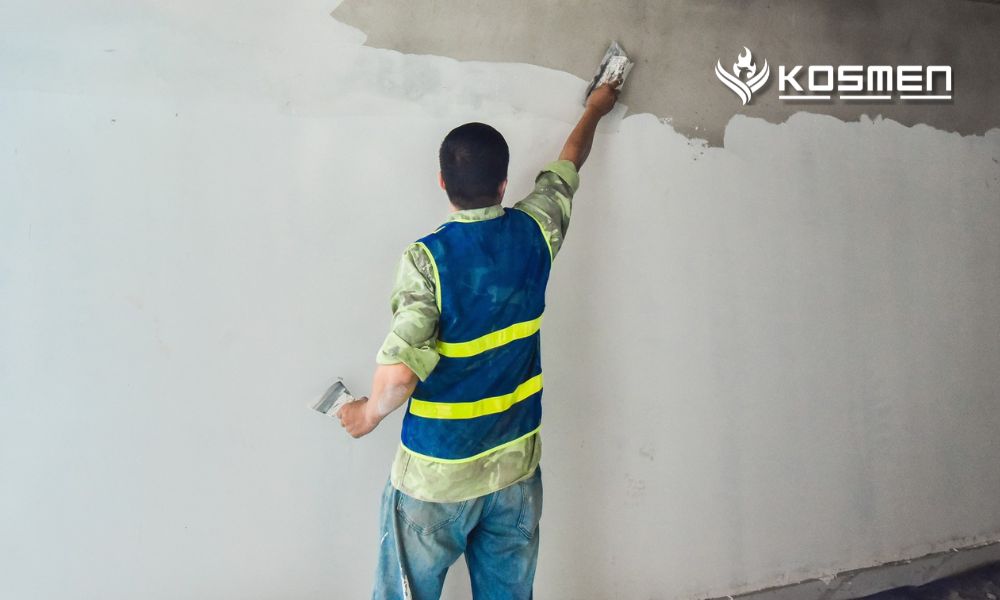
Remove mold from plasterboard ceilings by repainting
Steps for repainting a moldy gypsum board ceiling:
- Step 1: Remove loose or peeling paint using an appropriate scraper or sandpaper. Prepare the surface according to the coating manufacturer's instructions.
- Step 2: Apply a suitable primer to the prepared ceiling. Allow it to dry completely before proceeding.
- Step 3: Smooth the surface if necessary and remove any remaining dust before applying the finishing coat.
- Step 4: Apply the appropriate finishing paint to the gypsum board ceiling according to the manufacturer's instructions.
Treating Ceiling Mold by Waterproofing the Surface
Waterproofing materials, such as silicone sealants and polyurethane waterproofing products, may help prevent water from entering through suitable cracks, joints, or connection points. The correct material depends on the location of the leak and the construction material.
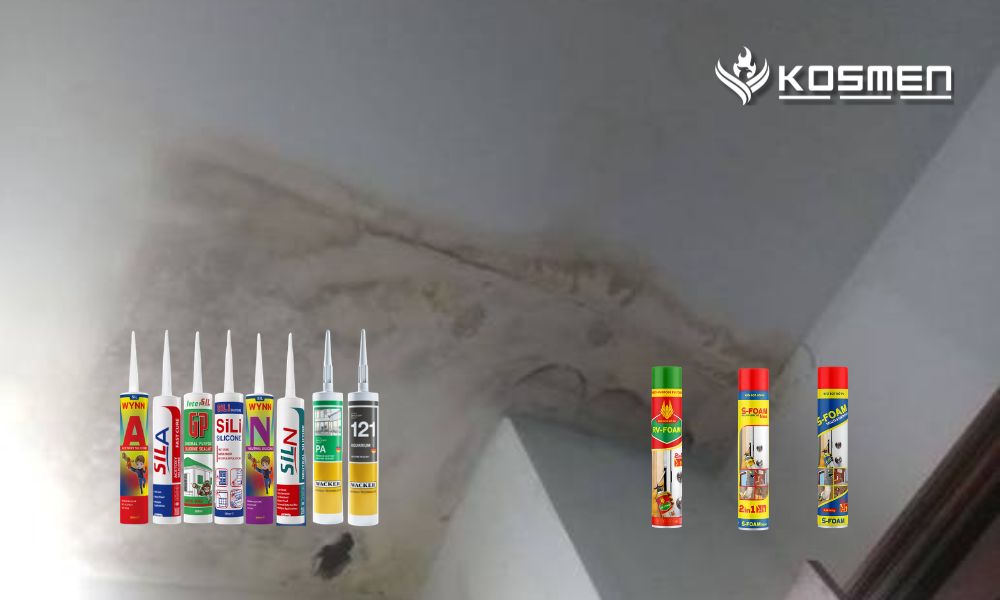
Treat moldy ceilings with surface waterproofing materials
Steps for treating ceiling mold through waterproofing:
- Step 1: Inspect the ceiling to identify cracks, joints, or areas showing signs of water infiltration. Repair the source of the leak before treating the surface.
- Step 2: Remove dirt, loose paint, and damaged materials from the area. Ensure that the surface meets the preparation requirements of the selected waterproofing product.
- Step 3: Apply a suitable silicone sealant or polyurethane waterproofing product to compatible cracks and joints, following the manufacturer's instructions.
- Step 4: Allow the material to cure completely, then check whether the water infiltration has been resolved before proceeding with any surface finishing.
How to Prevent Mold on Ceilings
To reduce the risk of ceiling mold, inspect water pipes and areas prone to leaks regularly and repair problems promptly. When mold first appears, identify the underlying cause and choose an appropriate treatment method to prevent it from spreading and reduce future cleaning and repair costs.
The following measures can help prevent mold from developing on ceilings:
- Inspect the roof regularly: Damaged or open sections of the roof can allow rainwater to enter through gaps and seep into the ceiling. Regular inspections and timely repairs help reduce water infiltration and prevent further mold growth.
- Improve natural lighting and indoor ventilation: Open windows when outdoor conditions are suitable to increase airflow and allow natural light into the home. Better ventilation can help reduce moisture buildup and limit the conditions that favor mold growth.
- Use moisture-resistant gypsum boards: When installing a gypsum board ceiling, choose boards with moisture resistance appropriate for the intended application. These materials can help reduce the effects of moisture on the ceiling structure and lower the risk of mold under suitable conditions.
- Ensure the ceiling is dry before applying paint: Before painting or repairing the ceiling finish, resolve the source of water infiltration and allow the surface to dry according to technical requirements. Painting over a damp ceiling may reduce paint adhesion, cause peeling, and increase the risk of recurring mold. For areas exposed to water, consider a suitable waterproof coating compatible with the ceiling material and application.
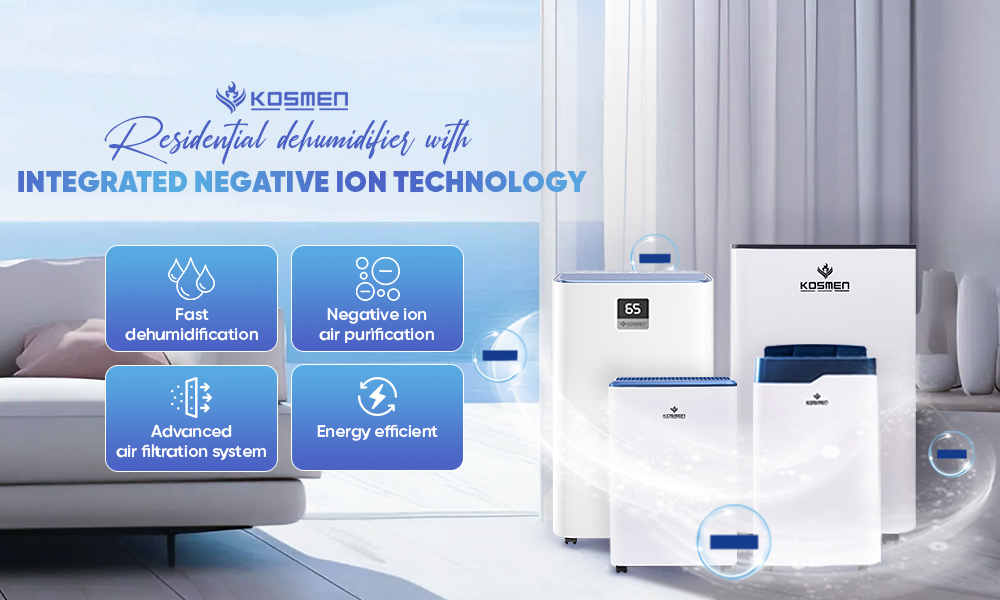
- Use a dehumidifier to control indoor humidity: A dehumidifier helps maintain indoor humidity at an appropriate level, reducing conditions that favor mold growth and helping lower the risk of ceiling mold. Depending on the model, additional features may include air purification, laundry drying, humidity settings, a timer, and Wi-Fi remote control, giving users greater control over indoor conditions.

Using a dehumidifier to control air humidity
Homeowners can consider Kosmen dehumidifiers, available in capacities ranging from 12 to 60 liters per day, to meet different household requirements. By helping control indoor humidity, these appliances can reduce conditions favorable to mold growth while offering practical benefits for everyday home use.
Kosmen Warranty Policy:
- Product warranty: up to 24 months.
- Compressor warranty: up to 36 months.
- Product replacement within 30 days for manufacturing defects.

Kosmen warranty policy
The methods above explain the common causes of ceiling mold and ways to clean and treat affected surfaces. We hope this guide helps you choose an appropriate solution for your home.
If you are looking to purchase a dehumidifier, you can order directly through the website, purchase via e-commerce platforms, or contact an authorized Kosmen dealer nationwide.
KOSMEN – PIONEERING HUMIDITY CONTROL AND AIR QUALITY SOLUTIONS
- Head Office: No. 77 Dinh Thi Thi Street, Van Phuc City Residential Area, Hiep Binh Ward, Ho Chi Minh City, Vietnam
- Representative Office: No. 27B, Street 12, Hiep Binh Ward, Ho Chi Minh City, Vietnam
- Hanoi Office: No. NV 4.7, Cau Buou New Urban Area, Thanh Liet Ward, Hanoi, Vietnam
- Da Nang Office: No. 41 Vo An Ninh Street, Hoa Xuan Ward, Da Nang City, Vietnam
- Da Lat Office: No. 38/7, Ba Thang Hai Alley, Xuan Huong - Da Lat Ward, Lam Dong Province, Vietnam
- Hotline: 0766 899 799 (Northern Vietnam) - 0935 696 695 (Central Vietnam) - 0965 210 874 (Southern Vietnam) - 0975 359 877 (Central Highlands)
- Website: https://kosmen.com.vn/en
Share the article


Related news








What Is Considered High Humidity? Is High Humidity Good? Its Harmful Effects?
Published: 05.03.2025
See more